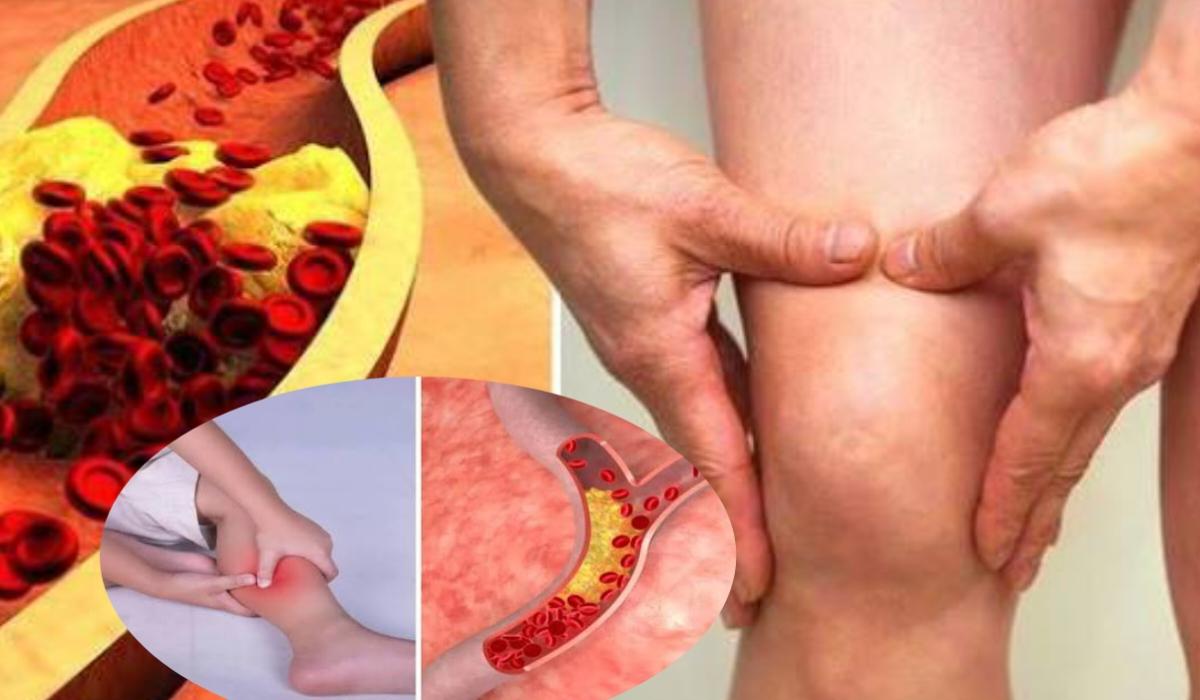
High Cholesterol Leg Symptoms can reveal early warning signs like pain, numbness, and cramps. Know 7 key indicators of high LDL and how to prevent heart risks.
Why High Cholesterol Is Called a Silent Killer
High Cholesterol has been termed as a silent killer because it does not show itself in your system until it begins to infiltrate your circulatory system. In case the bad cholesterol (LDL) deposits in the arteries, which are the leg arteries, it may either reduce or inhibit the blood flow. This inefficient circulation might cause a number of not immediately obvious symptoms. The seven of them are the common symptoms of cholesterol in the legs. These are the ones to consider.
1. Pain or Cramps in the Legs
It could be a cholesterol build-up as when you walk or ascend stairs or perform something light it hurts you legs or makes them sore. This is what is referred to as intermittent claudication. This is due to the fact that your muscles do not have adequate supply of blood and oxygen. The pain usually passes away as long as a person is resting but when one resumes walking, the pain may still reoccur.
2. Pain in Feet and Legs or Numbness
The pins and needles sensation or the aching in your legs may not necessarily mean that something is wrong in your nerves, it could be a mere symptom of inefficient blood circulation caused by a lot of cholesterol. This makes you begin to feel numb or burning in your legs or feet or in the lower part of the body because blood vessels do not allow blood to travel to your nerves thereby obstructing the flow of oxygen to your neurons.
3. Cold or Pale Feet
Do you believe that your feet are colder than usual during hot seasons? Due to the presence of cholesterol, feet become cold due to the lack of blood. And you will also find out that you are turning phan or bluish in colour i.e. the legs are not receiving enough blood containing oxygen.
4. Slow-Healing Cuts or Wounds
You learn that in case of looseness of blood-flow, the body is never healed. It may be some time before you can heal your small scrapes, bruises or scratches on your legs/ feet. This may be the sign of the peripheral artery disease (PAD) – the disease directly correlated with the high cholesterol.
5. Slick Skin or Hair Depilation on Thighs
Look, talk, look down your legs. The fact that we have a shiny or tight skin, and that we have lower hair growth, as you have noticed, might be a sign that the blood circulation is reduced. This is the only means by which you will feel such apparent changes, because your skin and your hair follicles will fail to last long unless you feed your body with the much needed oxygen and nutrients.
6. Weak Pulse in Legs or Feet
A physician will usually examine the pulse in the ankles or feet just to show that the blood is moving. The reason your pulse could be low and irregular could be as a result of having too much cholesterol in your blood. This is included in one of the most obvious indicators of issues in circulation that can not be overlooked.
7. Dullness or Weakness of Legs
Sometimes high cholesterol may cause swollen tight and heavy legs. This occurs in an area where there is a lack of good circulation of blood and consequently, it can not carry the fluids appropriately, thus leading to the build up of the fluids in the lower section of the body. In case the swelling is not being relieved by rest and elevation, visit a physician.
Why You Should Act Early
Among the worst complications that might occur in all these signs, there might be the heart attacks, strokes, or obstructions of the arteries; that is why these signs cannot be overlooked. The good factor about high cholesterol level is that it can be easily controlled albeit with the help of different lifestyle modifications.
Simple Lifestyle Changes to Lower Cholesterol
Increase intake of fruits, vegetable and whole grains.
Do not consume processed snacks and fries.
Physical activity, 30 minutes of walking.
Quitting drinking and alcoholism.
Conduct frequent screening of cholesterol.