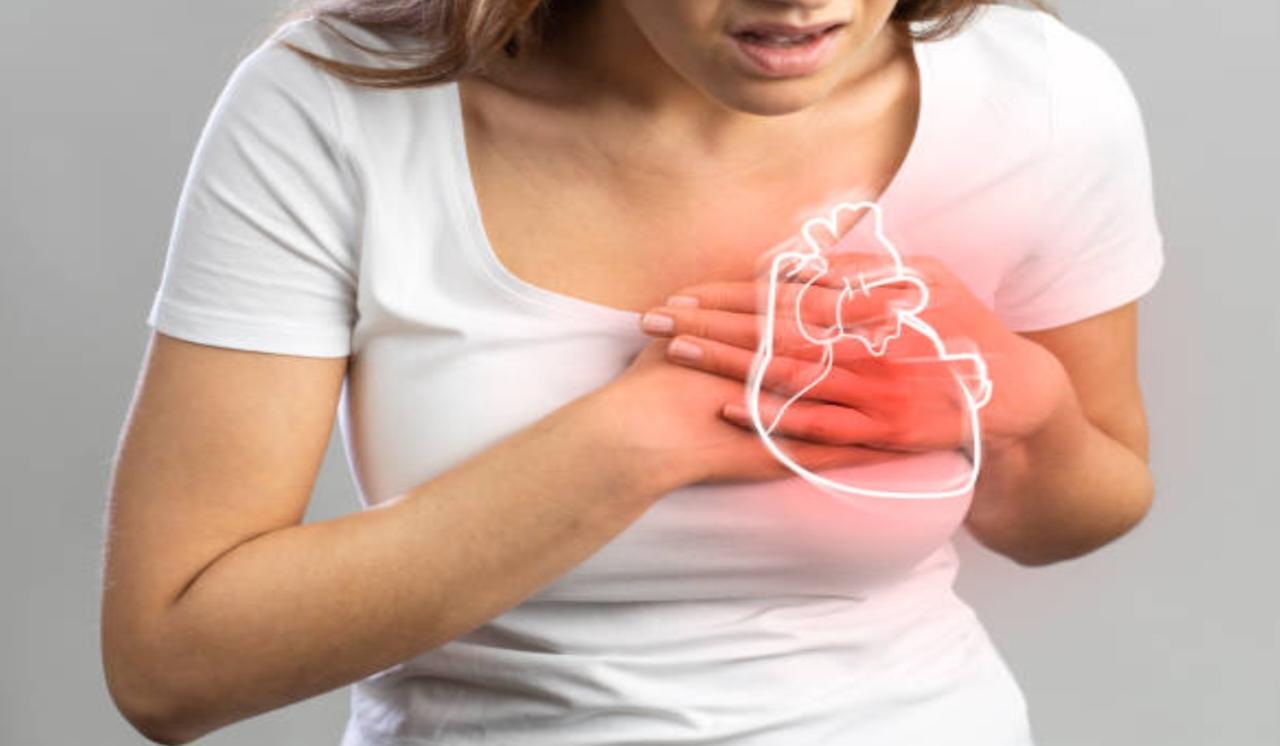
Learn the 10 best heart attack symptoms you must never overlook. Due to the aches in the chest, shortness of breath, and other symptoms, you should know the first signs that you might save your life.
Cardiac attacks do not occur at will. In the vast majority of instances, your body begins to warn you way too early – but lots of people either ignore it or think it is a simple ailment. Early detection of these symptoms of heart attacks will save lives.
A heart attack is a condition whereby the blood supply to the heart is obstructed, normally through the accumulation of plaque in the arteries. This is due to blockage blocking the ability of the blood to get oxygen-rich blood to heart muscles, which is damaged. Although the most well-known symptom is chest pain, some other very unnoticeable symptoms are not usually taken seriously.
The warning signs of a heart attack are 10 and they are listed below.
1. Chest Pain or Pressure
The most common symptom of a heart attack that is experienced is chest pain or heaviness and it is most often reported to be a squeezer, burning or tight pains. It is mixed up with acidity or even indigestion yet when the pain lasts longer than a few minutes and the pain reoccurs then medical help is needed.
2. Chest Discomfort
There are cases when a heart attack does not result in sharp pain but a sensation of discomfort such as fullness, pinching, or slight pressure at the chest. This dietary negligence might be fatal.
3. Shortness of Breath
The lungs do not receive sufficient oxygen when the heart experiences difficulty pumping the blood. This leaves one out of breath without physical activity. It may be a worrying occurrence in case you suddenly feel that you are unable to breathe.
4. Shoulder, Jaw or Upper Body Pain.
The pain of heart attack does not necessarily remain in the chest. It may be radiated to the shoulder, neck, arms, jaw, or to the back. This pain is something that most individuals ignore as muscle pains, yet it may be a significant warning sign.
5. Unusual Sweating
Heavy sweating, particularly cold sweat is a typical symptom of heart distress. When you begin to perspire too much without causing any effort, it can be an indication of less blood being pumped to the heart.
6. Lightheadedness or Dizziness.
Getting lightheaded or dizzy may indicate that your brain is not receiving sufficient blood circulation as a result of having a bad heart. Should the dizziness be accompanied by chest pains, do not overlook it.
7. Nausea or Vomiting
Nausea, intestinal-like pains, or vomiting without any known cause can also be a result of a heart attack, particularly in females. Continuous nausea devoid of another apparent reason is an issue that requires treatment.
8. Extreme Fatigue
Feeling permanently exhausted or weak even when you are not exercising could be a sign that your heart is not pumping the blood as it should have been. Abnormal fatigue is described by many women as one of the first symptoms of a heart attack.
9. Pitting Edema of Legs, Ankles, or Feet.
The presence of fluid in the lower body parts such as ankles, feet and legs is a result of fluid buildup in the body which is caused by a weak heart. In case of sudden puffiness, see a doctor.
10. Pain at the back of the head or in the eyes.
Some individuals not very common have pains in their eyes or very severe headaches, prior to a heart attack. It occurs due to decreased blood circulation and pressure imbalance.